BREAKING: TRUMP ANNOUNCES THAT IRAN HAS …
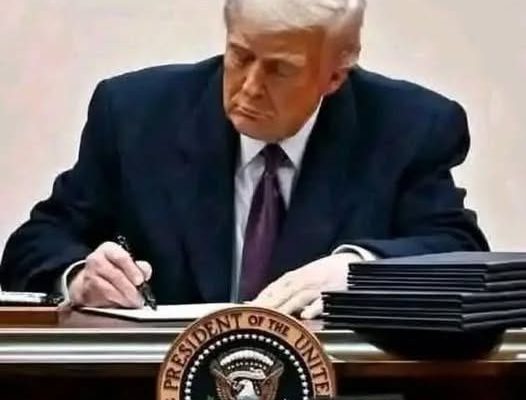
In the sprawling expanse of the Middle East, where the sun-drenched horizons meet the intricate tapestries of ancient cities, the modern world relies on a hum that often goes unnoticed until it falters: the steady pulse of the electrical grid. For decades, the landscape has been dotted with the monumental silhouettes of power plants—towering monuments of engineering that represent a nation’s lifeblood. However, in the spring of 2026, the atmosphere surrounding these facilities has shifted from industrial pride to high-stakes brinkmanship. Following a series of provocative remarks by Donald Trump, a new and invisible boundary has been drawn across the desert sands. Iran has issued a firm, uncompromising warning, signaling that its energy infrastructure is no longer just a utility, but a “red line” of national sovereignty. This development marks a strategic recalibration that has left the international community watching the horizon with bated breath, wondering if the hum of the grid will remain steady or be replaced by the silence of a regional shift.
The Cultural Myth of the “Fortress of Light”
Throughout history, energy and light have held a profound cultural significance in Persian heritage. From the ancient fires of Zoroastrianism to the modern illumination of Tehran’s bustling districts, the ability to generate power is seen as more than just a technical feat; it is a symbol of progress, resilience, and independence. In the cultural imagination, the power plant is a “Fortress of Light,” a modern-day hearth that sustains the health and prosperity of the people.
When Iranian officials draw a red line around this infrastructure, they are tapping into a deep-seated cultural narrative of self-sufficiency. Historically, the targeting of civilian infrastructure has been viewed as an attempt to undermine the very spirit of a nation. By framing their energy assets as sacred territory, Tehran is not merely issuing a military directive; they are invoking a cultural myth of protection. This posture suggests that any move against these facilities is an attack on the daily lives of millions—the students studying by lamplight, the bakers heating their ovens, and the families gathered in cooled living rooms. It transforms a power station from a target into a symbol of national dignity that cannot be compromised.
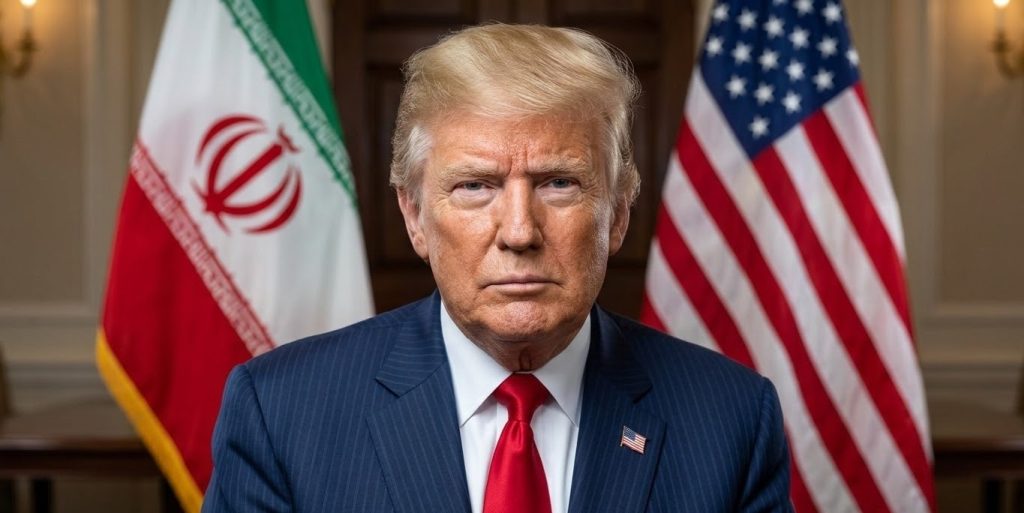
The Science of Energy Interdependence and Modern Deterrence
Beyond the rhetoric lies the cold, hard science of energy systems. Modern electrical grids are marvels of interconnected engineering, where a disruption in one node can trigger a cascading failure across an entire region. This is known in physics and systems engineering as a “cascading collapse.” Iranian officials understand that their energy infrastructure is their most sensitive vulnerability and, simultaneously, their most potent deterrent.
The Ripple Effect: The science of deterrence in the 21st century has evolved from traditional military strength to “infrastructure-based deterrence.” By stating that any attack on power plants would trigger immediate retaliation, Iran is utilizing a strategy of “Calculated Vulnerability.” They are highlighting that the disruption of their grid would have immediate, measurable consequences for hospitals, water treatment facilities, and emergency response services.
Humanitarian Physics: From a medical and humanitarian perspective, the science of energy is the science of survival. Hospitals rely on constant voltage for life-support systems; water treatment plants require massive electrical loads to filter and pump clean water. A disruption in the energy grid is, scientifically speaking, a disruption in the biological safety net of a population. This reality complicates the tactical calculus for any military strategist, as the secondary and tertiary effects of targeting energy assets are often far more devastating than the primary strike.
Speculation: The “Dark Zone” of Strategic Recalibration
There is significant speculation among geopolitical analysts regarding what this “strategic recalibration” truly means for the coming months. Some observers speculate that Iran’s previous restraint was based on a different set of regional assumptions that no longer apply in the current political climate. The extraordinary detail of drawing a “red line” around specifically civilian infrastructure suggests that Tehran may be moving toward a policy of “Asymmetric Redress.”
Extraordinary speculation suggests that if the energy grid were to be compromised, the subsequent response might not be limited to conventional military targets. Instead, some speculate that the response could involve a reciprocal targeting of regional energy hubs, potentially creating a “Dark Zone” of energy instability across the Middle East. While these theories remain speculative and have not been confirmed by official military doctrine, they highlight the “dangerous miscalculations” that keep diplomats awake at night. The fear is that a minor incident—perhaps an accidental disruption or a misunderstood movement—could be interpreted through the lens of this new red line, leading to a rapid escalation that neither side originally intended.
The Global Economic Nexus: Energy as a World Pulse
The Middle East remains the central hub for global energy production and transportation, making any regional tension a matter of worldwide economic security. The science of global markets tells us that oil and gas prices are not just determined by supply and demand, but by the “risk premium” associated with the stability of the infrastructure that delivers them.

