After 28 Years, The World Reacts to King Charles’ Most Emotional Reflections Yet — And Why Princess Diana’s Memory Still Shakes the Monarchy
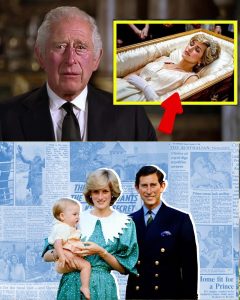
There are moments in history that never fade.
Moments so powerful, so painful, so deeply human that time doesn’t erase them — it simply wraps them in new layers of emotion.
For millions around the world, especially those who lived through the summer of 1997, the memory of Princess Diana’s sudden death is one of those moments.
It felt like the world stopped.
Like a light went out.
Like something sacred was shattered.
And for 28 years, the silence surrounding that night in Paris — the unanswered questions, the unspoken emotions, the royal distance — has left a wound that has never quite healed.
That is why, when a new wave of viral clips and online speculationsuggested that King Charles had offered his most personal reflections yet on Diana’s legacy and the impact of her loss, the internet ignited instantly.
But this story is not about proving whether the viral clips are real.
It’s about
why the world reacted so strongly.
Why people still carry that night inside them.
Why Princess Diana continues to move hearts across continents — especially in the United States.
And why the idea of King Charles addressing her memory — even indirectly — feels like an earthquake through the monarchy.
This is the emotional story behind that reaction.
A story about grief, legacy, humanity, and the fragile threads that connect the Royal Family to the people watching them.
THE NIGHT THE WORLD HELD ITS BREATH
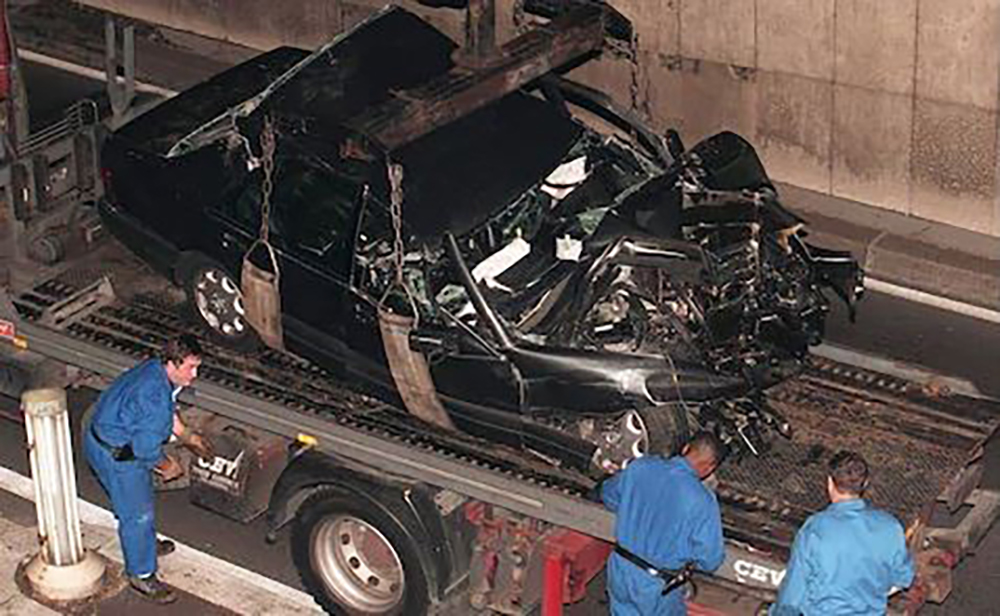
To understand why 2025 erupted with emotion at the sight of a single reflective moment from the King, we must return to 1997 — to that night in Paris when the news broke.
Americans remember where they were.
Brits remember how the air felt.
The world remembers the disbelief.
Princess Diana wasn’t just a royal figure — she was a cultural force.
She was warmth in a world of cold protocol, vulnerability in a world of rehearsed speeches, connection in a world of distance.
And when she died, something in the global emotional landscape changed.
Millions felt robbed.
Millions felt abandoned.
Millions wanted answers — but answers never fully came.
Silence settled in.
Royal silence.
Public pain.
A divide that has lasted almost three decades.
So when clips surfaced online in 2025 showing King Charles speaking about “regret,” “unspoken truths,” and the “weight of memory,” the reaction wasn’t just curiosity.
It was 28 years of unprocessed emotion bursting back to the surface.
THE VIRAL MOMENT: A WHISPER THAT GREW INTO A STORM

The viral clip that sparked the storm wasn’t long.
It wasn’t dramatic.
It didn’t mention Diana by name.
But it carried something the public hasn’t seen often from King Charles:
Rawness.
Reflection.
Human weight.
He spoke about:
“the passing of time”
-
“the complexity of the past”
-
“the things one wishes had been different”
-
“the scars life leaves behind”
And for millions around the world — that was enough.
People connected the dots emotionally, even if the clip didn’t do so literally.
And once emotion takes over online, logic rarely stands a chance.
Suddenly, the narrative became:
“King Charles finally addressed Diana.”
Not because he said the words.
But because people heard
them in what he didn’t say.
It was grief by echo.
Memory by implication.
History awakened by a pause in a sentence.
WHY AMERICA REACTED SO STRONGLY

If there is one country that still holds Princess Diana as a near-mythic figure, it is the United States.
To Americans, Diana was:
-
a humanitarian
-
a mother fighting for her boys
-
a woman resisting an institution
-
a symbol of compassion
-
and a celebrity icon unmatched even today
She was the royal the US fell in love with — deeply, fiercely, unapologetically.
Generations grew up watching her on magazine covers, in TV interviews, walking landmine fields, comforting AIDS patients, hugging children, laughing with ordinary people.
So when anything connected to her name surfaces — especially something emotional — Americans respond with intensity, nostalgia, and protective love.
They remember the heartbreak.
They remember the funeral.
They remember William and Harry walking behind the coffin.
And they remember the King, then Prince Charles, remaining largely silent.
So the idea of him speaking — even in a way open to interpretation — hit American audiences hard.
THE MONARCHY’S UNHEALED WOUND
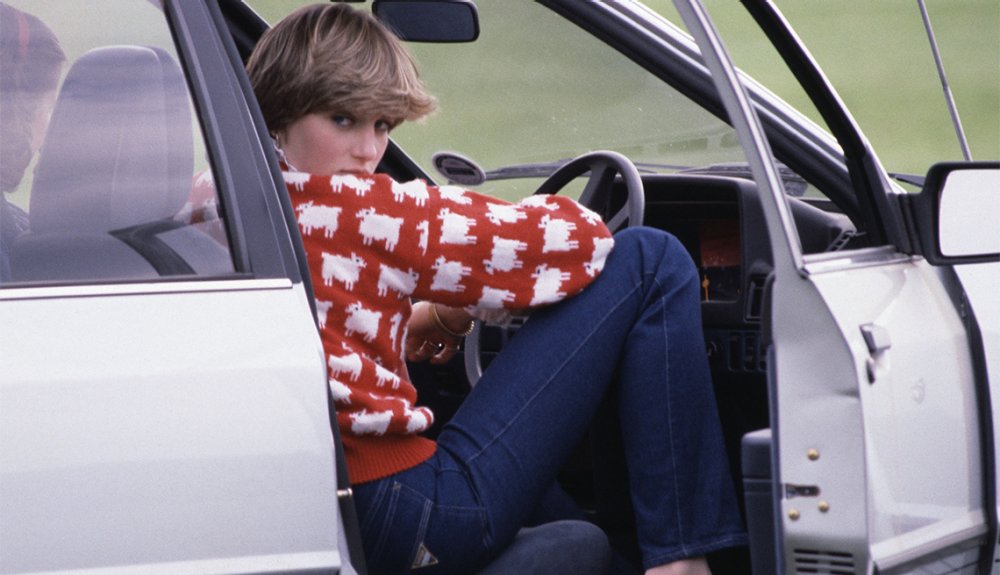
What makes Diana’s story uniquely painful is that it is not just a tragedy — it is a tragedy woven into the monarchy’s very foundation.
Her sons are the future of the crown.
Her memory lives in the public imagination stronger than many reigning monarchs.
Her influence on fashion, charity, and media still shapes the world.
And her absence is felt every time:
-
William attends a major event
-
Catherine wears a tiara linked to Diana
-
Harry appears in the press
-
the public compares “the old royal family” with “the new”
Diana is not the past.
Diana is the shadow cast across the present.
She is the invisible presence in every royal headline.
And the monarchy knows it.
Which is why even the suggestion of King Charles reflecting on the past — indirectly or emotionally — created a tremor that traveled through the entire institution.
THE PUBLIC’S QUESTION: IS THIS FINALLY CLOSURE?
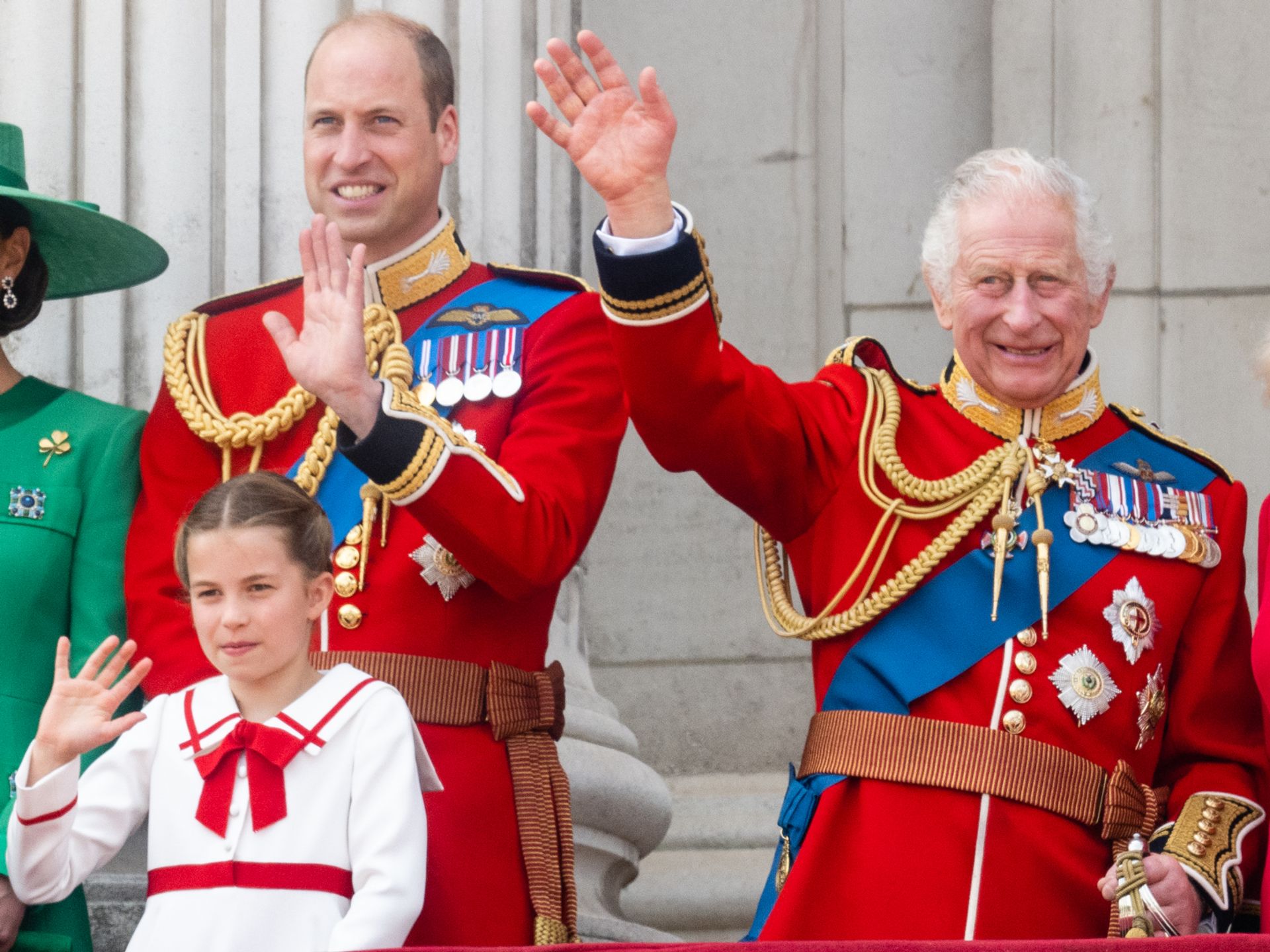
The emotional storm online centered on one question:
“Does this mean the Royal Family is finally acknowledging the pain of that night?”
Not the details.
Not the theories.
Not the scandals.
But the pain.
For 28 years, many felt that the palace moved forward while people were still grieving.
That the institution continued, polished and intact, while the public carried the emotional pieces.
