THE GREAT ROYAL MYSTERY: WHY KATE’S BABY BUMP ALWAYS LOOKED “NORMAL”—AND WHY MEGHAN’S IGNITED A GLOBAL STORM OF SPECULATION

There are moments in royal history that divide the public. And then there are moments that ignite whispers so persistent, so emotional, so strangely captivating that they take on a life of their own. Meghan Markle’s pregnancy appearance belongs to the second category.
From the beginning, Kate Middleton’s three pregnancies unfolded exactly as the public expected. Her bump grew gradually. Her cheeks softened. Her limbs swelled slightly, the way many women experience. After giving birth, the familiar roundness remained for a short time — natural, relatable, human.
But Meghan’s bump was different. Or rather, the public conversation around it was. Almost overnight, her pregnancy became one of the most fiercely debated royal mysteries of the decade. Some people admired her elegance. Others raised questions they struggled to silence.
The sharp contrast between Kate and Meghan only fueled curiosity. With Kate, the physical transformation followed a predictable rhythm. But Meghan’s silhouette seemed to shift in unpredictable ways, sparking endless conversations online, each more intense than the last.
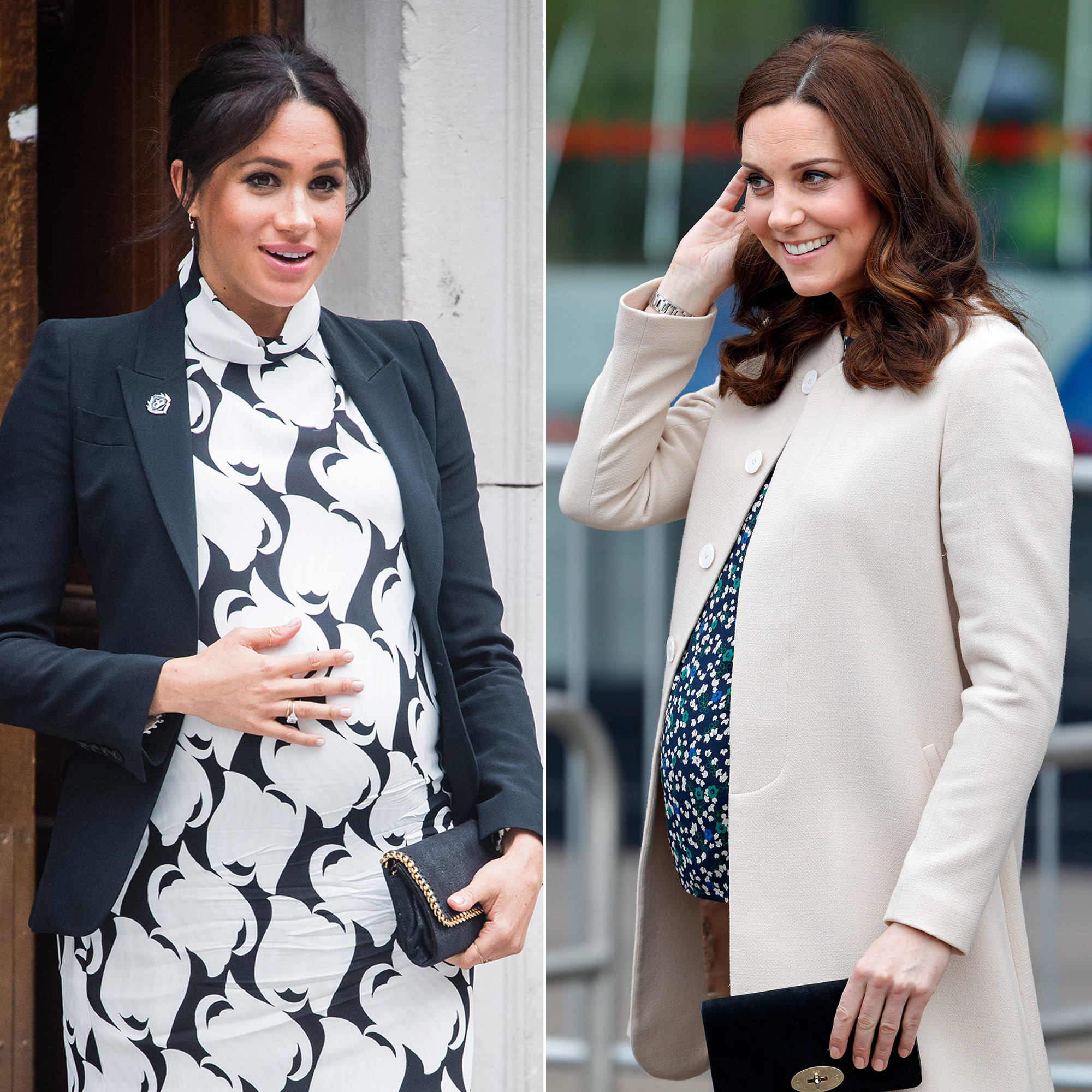
One moment in particular fanned the flames. A video captured Meghan dancing freely during a late-stage public appearance. To many observers, it felt astonishing. They questioned how someone near her due date could move with such ease, dipping and turning with barely a sign of discomfort.
And then came the photographs showing her slender arms. Critics pointed to the smooth lines, suggesting they didn’t match the typical softness of late pregnancy. Supporters argued that body types differ. But the debate only grew louder as images circulated globally.
What truly intensified the speculation, however, was the apparent “shifting” of her bump. In several clips, the shape appeared to change with movement, sometimes looking surprisingly large, other times noticeably smaller. For online commenters, it became evidence of something unusual.
Some blamed camera angles, others blamed clothing. Some insisted it was just a natural consequence of a baby adjusting in the womb. Yet to those already suspicious, every detail seemed to confirm their doubts, creating a storm the palace could not calm.

Another moment added fuel — Meghan crouching down smoothly at nearly eight months pregnant. Mothers watching around the world reacted instantly. Some said it looked perfectly normal for a flexible, healthy woman. Others insisted the ease of movement felt implausible.
Meanwhile, Kate’s pregnancies remained the quiet benchmark. Her bump behaved exactly as people imagined a royal bump should. Her body softened visibly, reflecting the familiar story of motherhood. And when she stepped outside the hospital after childbirth, her postpartum roundness felt deeply relatable
This contrast became the foundation upon which the public built its theories. People weren’t comparing two women — they were comparing two narratives. One familiar, traditional, comforting. The other modern, unpredictable, and unsettlingly different.
Yet behind the noise and endless commentary, one truth stood unshaken: every woman carries pregnancy differently. The human body follows no script, royal or otherwise. But speculation rarely listens to reason once emotion takes hold.
What made Meghan’s story unique wasn’t medicine or biology. It was the intensity of public fascination. It was the way every appearance became a puzzle piece. It was the sense — real or imagined — that something didn’t fit the expected royal pattern.
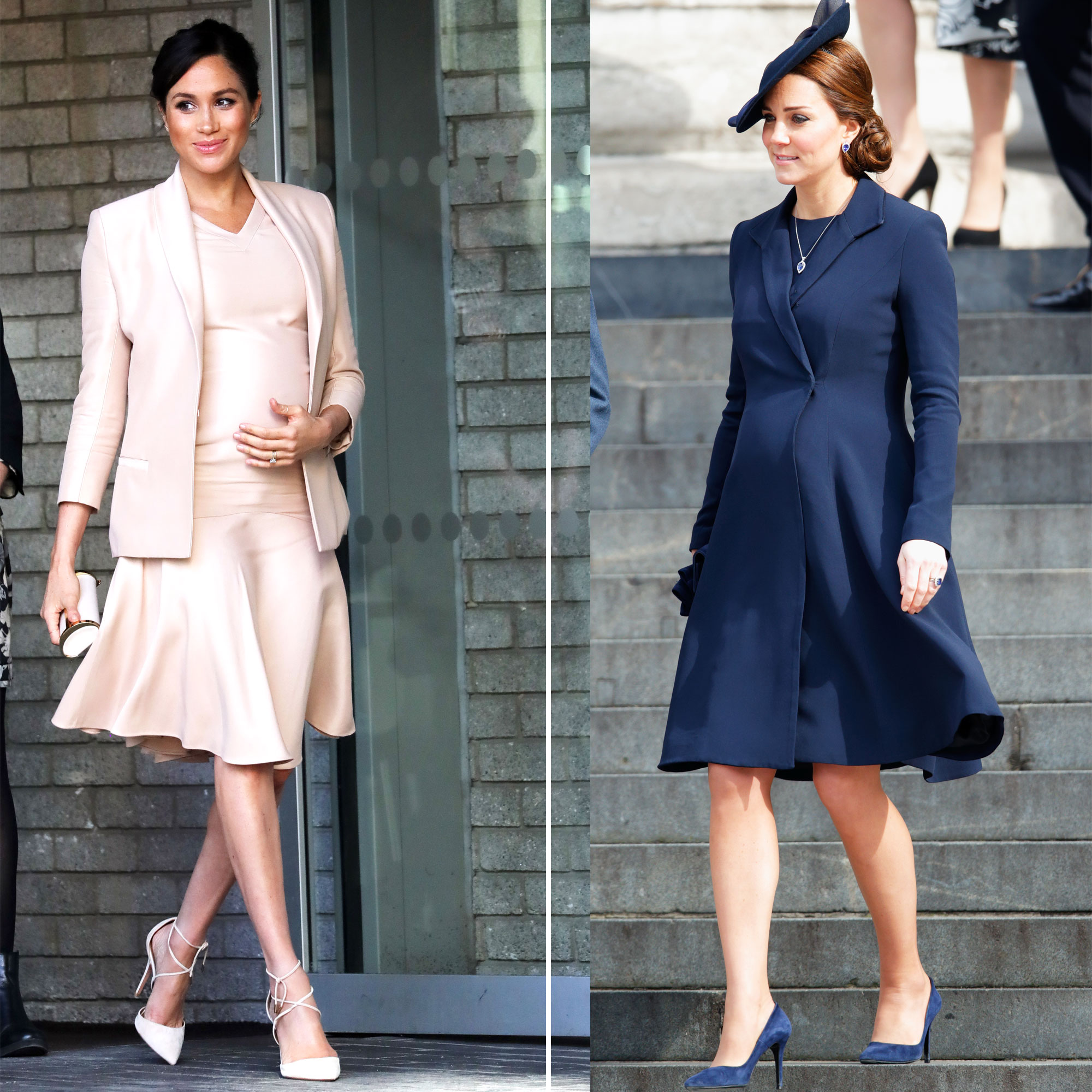
And like every royal mystery, the conversation became bigger than the event itself. It became a cultural moment: a clash of expectations, perceptions, biases, and the incredibly high standards placed on women who marry into the monarchy.
To this day, debates linger in quiet corners of the internet. Not because people know the truth, but because mysteries — real or imagined — have a strange power. They draw people in. They create stories where certainty is impossible and curiosity never fully fades.
Kate’s pregnancies reassured the public with their predictability. Meghan’s ignited a worldwide conversation with their unpredictability. Both women lived through their own version of motherhood, each shaped by her body, her circumstances, and the world watching from every angle.
And perhaps that is the real story: not whose bump was “right,” but why the world feels so compelled to judge and compare women’s bodies at all. In the end, the mystery says less about the royals — and more about us.
